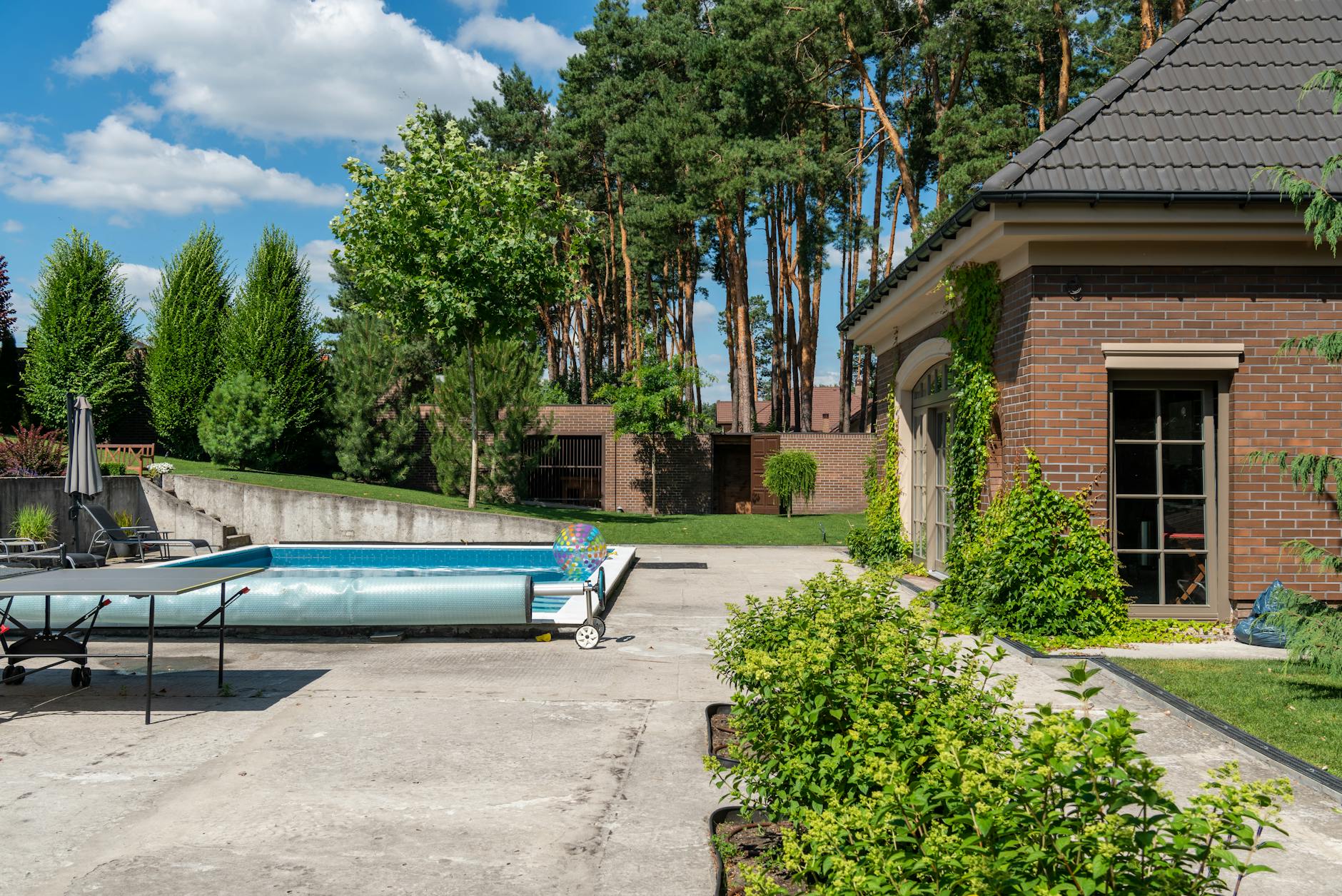
Patios and Walkways in Washington Township, NJ
Concrete patio installation in Washington Township, NJ is one of the more straightforward residential concrete jobs when the site drains correctly. When it doesn't, you end up with a patio that holds water, degrades faster than it should, and eventually pushes water toward the house foundation. This page explains what patio and walkway installation involves in Gloucester County, what finish options are available, and how to decide between standard and decorative concrete.
What Patio and Walkway Installation Involves
A backyard patio starts with excavation to remove topsoil and organic material down to stable, compactable base. A 4-inch gravel base is installed and compacted, and the area is formed with a slope away from the house — minimum 2% grade, or about 1/4 inch per foot. Concrete is poured, screeded level, and finished. Control joints are cut every 8–10 feet to manage cracking as the slab cures and moves through seasons.
Walkways follow the same process on a smaller footprint. A standard residential entry walkway is 4 feet wide and 4 inches thick. Connecting a driveway to a side entry or a patio to a detached garage requires attention to grade changes and transitions between slabs. Improperly transitioned walkways crack at the joint within a few years.
For properties with significant grade changes, steps may be needed as part of the walkway design. Concrete steps are poured as part of the same job and properly tied into the adjacent slab.
Patio and Walkway Finish Options
- Broom finish — standard, durable, no additional cost
- Stamped concrete — mimics stone or brick patterns; higher cost and requires periodic resealing; see our decorative concrete page for full details
- Exposed aggregate — natural-looking texture, durable, handles New Jersey weather without intensive maintenance
- Colored concrete — integral color added to the mix; fades gradually over years and benefits from sealing
What Affects Cost in Washington Township
- Patio or walkway size and shape
- Site access — tight backyard access increases equipment and labor cost
- Grading and drainage requirements
- Old material removal
- Steps or elevation changes
- Finish type
When Not to Replace Your Patio
If your existing patio has minor surface cracks and is draining correctly with no sunken sections, sealing it costs a fraction of replacement and extends the surface life. Replace when sections have sunk, water pools on the surface, or the slab has heaved enough to create a trip hazard. Our repair and resurfacing service covers the cases where resurfacing is a real option.
The American Concrete Institute provides residential placement standards. See also our concrete driveways service and our full services list.
Get a Free Estimate
Describe your project and we will tell you what makes sense before any work begins.