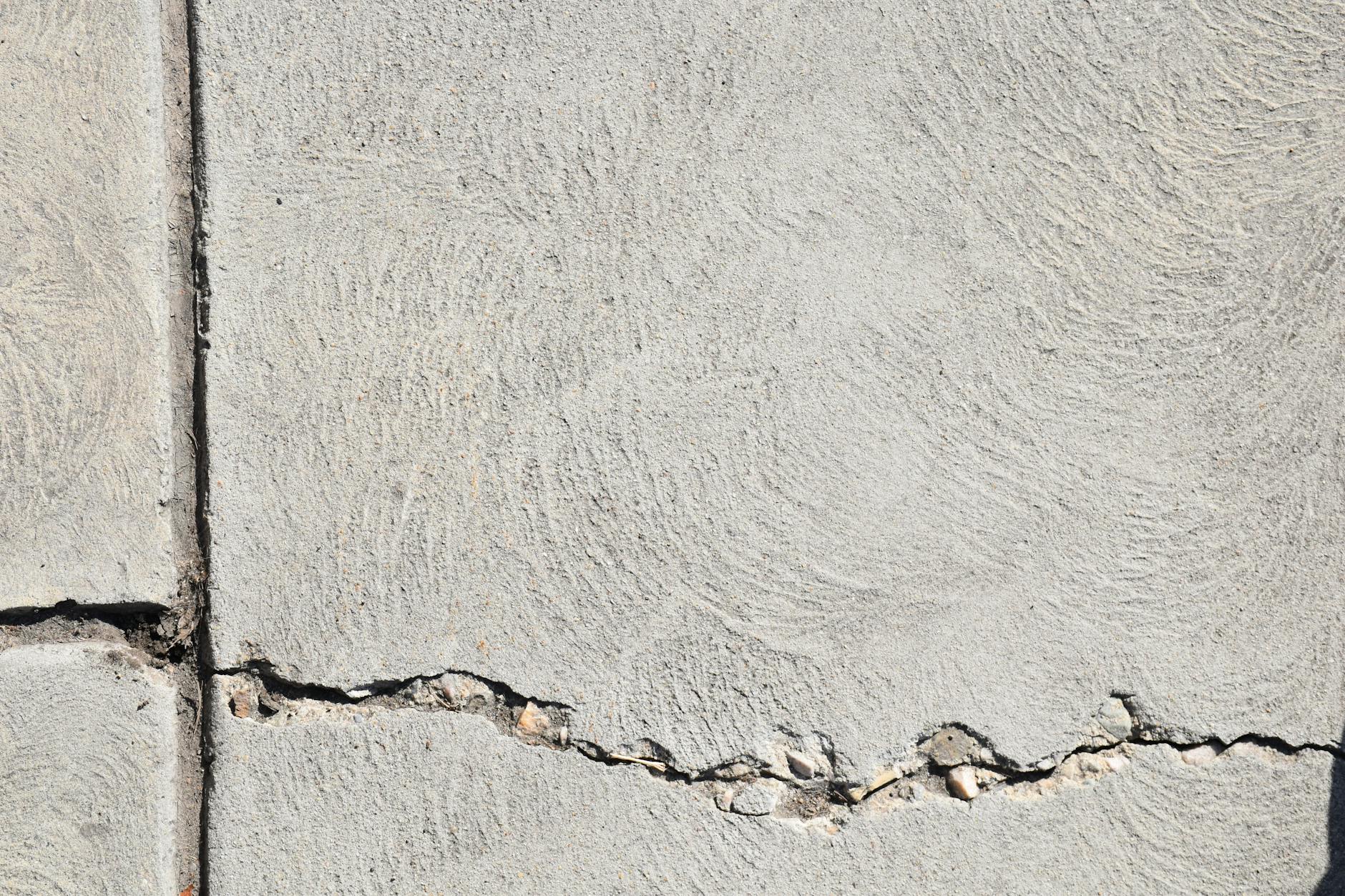
Concrete Repair and Resurfacing in Washington Township, NJ
Not every damaged concrete surface in Washington Township needs to be replaced. Concrete repair and resurfacing covers a range of conditions — from filling isolated cracks on a stable slab to applying a thin bonded overlay across a deteriorating driveway. Knowing which option applies to your situation determines whether you spend a few hundred dollars or several thousand. This page explains when repair makes sense in Gloucester County and when it doesn't.
When Concrete Repair Makes Sense
Repair is appropriate when the slab is still structurally sound. Indicators that repair is viable:
- Isolated cracks — not system-wide cracking across the whole surface
- Slab is still level with no sinking or tilting sections
- Drainage is functioning as it was originally
- Concrete under 20 years old with no widespread spalling
For narrow isolated cracks, a polyurethane or epoxy crack filler handles the repair. This is something a homeowner can do without a contractor if the crack is stable and not accompanied by other problems. If you're unsure, call and describe it — we'll give you a straight answer on whether it warrants a site visit.
When Repair Is Not Enough
Repair is a short-term fix when the underlying cause hasn't been addressed. If cracks keep forming because the base has washed away or the slab keeps settling, filling the cracks adds cost without solving anything. Replacement is the right answer when:
- Multiple sections are sinking or lifting
- The slab rocks when walked on
- Cracks recur after filling — usually within one or two winters
- Surface spalling extends more than 1/2 inch deep across a large area
- Drainage has changed — water pooling where it didn't before is a base problem, not a surface problem
What Concrete Resurfacing Involves
Concrete resurfacing applies a thin bonded overlay — typically 1/4 to 1/2 inch — over existing concrete. It restores the surface appearance, covers surface cracks, and can be textured or stamped. For resurfacing to hold, the existing slab must be structurally sound, the surface must be properly cleaned and profiled, and there must be no active water infiltration beneath the slab.
Resurfacing doesn't fix drainage issues, sinking sections, or deep structural cracks. If those exist, the overlay will follow the same crack patterns within a year or two. We assess before recommending it — see our patios and walkways service and pool decks service for cases where resurfacing specifically applies.
What Affects Repair and Resurfacing Cost
- Length, width, and depth of cracks — routing before filling adds cost but improves bond
- Area requiring resurfacing
- Surface preparation requirements — grinding or acid etching
- Product type — standard overlay versus decorative
- Whether drainage modifications are needed first
The American Concrete Institute publishes repair and rehabilitation standards. See also our driveway installation service and full services list for related work.
Get a Free Estimate
Describe your project and we will tell you what makes sense before any work begins.