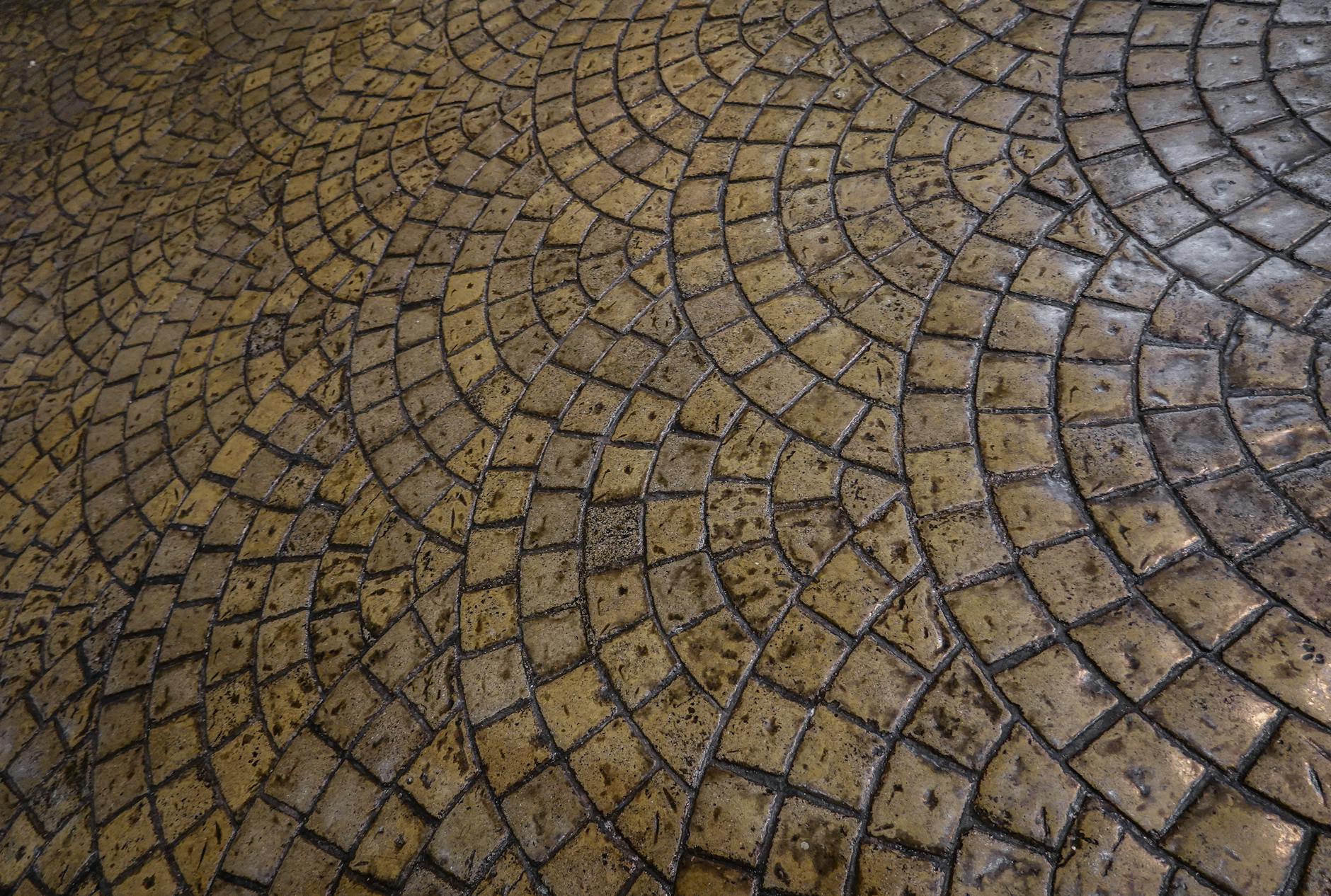
Decorative and Stamped Concrete in Washington Township, NJ
Stamped concrete in Washington Township, NJ gives driveways, patios, and pool decks a more finished look than standard flatwork. It costs more than a broom-finish pour and requires ongoing maintenance. It's not the right choice for every application, and the quality of the result depends heavily on the contractor's experience with decorative work. This page explains what decorative and stamped concrete involves and where it makes sense in Gloucester County.
What Decorative Concrete Work Involves
Stamped concrete starts as a standard pour. Once the concrete reaches the right consistency — firm enough to hold an impression but still workable — pattern stamps are pressed into the surface. The timing window is narrow and varies with temperature, humidity, and concrete mix. A contractor who misjudges the timing ends up with stamps that don't imprint cleanly, and that can't be corrected after the fact.
Color is added through two methods. Integral color is mixed into the concrete before pouring, which gives even color through the full slab depth. Color hardener is broadcast onto the surface after screeding, which gives a more vibrant result but only penetrates the top layer. Most contractors use a combination of both for better depth of color.
After stamping and initial cure, a sealer is applied. The sealer protects the color, gives the surface its finish sheen, and helps with moisture resistance. In New Jersey, that sealer needs to be reapplied every 2–4 years depending on sun exposure and traffic.
Exposed aggregate is a different approach that involves washing the top surface of fresh concrete to expose the stone or pebble aggregate underneath. It doesn't require sealing as frequently, handles New Jersey weather well, and gives a natural texture that works particularly well for pool decks and walkways.
Where Decorative Concrete Makes Sense
- Driveways where curb appeal is a priority
- Patios visible from main living areas
- Pool decks where appearance and barefoot comfort both matter
- Entry walkways and front approaches
Where It Doesn't Make Sense
Stamped concrete costs roughly 1.5 to 2 times more than standard broom-finish flatwork, depending on pattern complexity. For a utilitarian surface — a back utility area, a basic path, a side pad — standard concrete is the better choice. The sealing requirement is also a real ongoing cost and maintenance commitment. If that maintenance won't happen consistently, the decorative appearance degrades in a way that plain concrete would not.
What Affects Cost of Decorative Concrete
- Pattern complexity — multi-border designs cost more than single repeating patterns
- Color options — integral color plus broadcast adds to material cost
- Surface area
- Sealer type and application method
- Site accessibility
The Portland Cement Association and the American Concrete Institute both publish resources on decorative concrete applications and best practices. See our full services list to understand how decorative work fits with other concrete projects.
Get a Free Estimate
Describe your project and we will tell you what makes sense before any work begins.